One bedroom is warm, another is chilly, and the thermostat insists that everything is fine. Before agreeing to a larger heating or cooling system, ask what is happening between the equipment and the rooms.
Describe the pattern, not just the complaint
A useful service brief says where the problem happens, when it happens, and what changes it. Does the room become uncomfortable in afternoon sun? Only when its door is closed? Has the problem existed for years, or did it start after a renovation? These observations give the contractor something more specific to investigate than “the air conditioning is weak.”
Keep a short room diary over several ordinary days. Note the thermostat setting, the room that feels uncomfortable, approximate time, outdoor conditions, and whether the system is running. A simple household thermometer can make your observations more consistent, but the diary is background for an assessment, not a substitute for diagnostic measurements.
The air has a route out and a route back
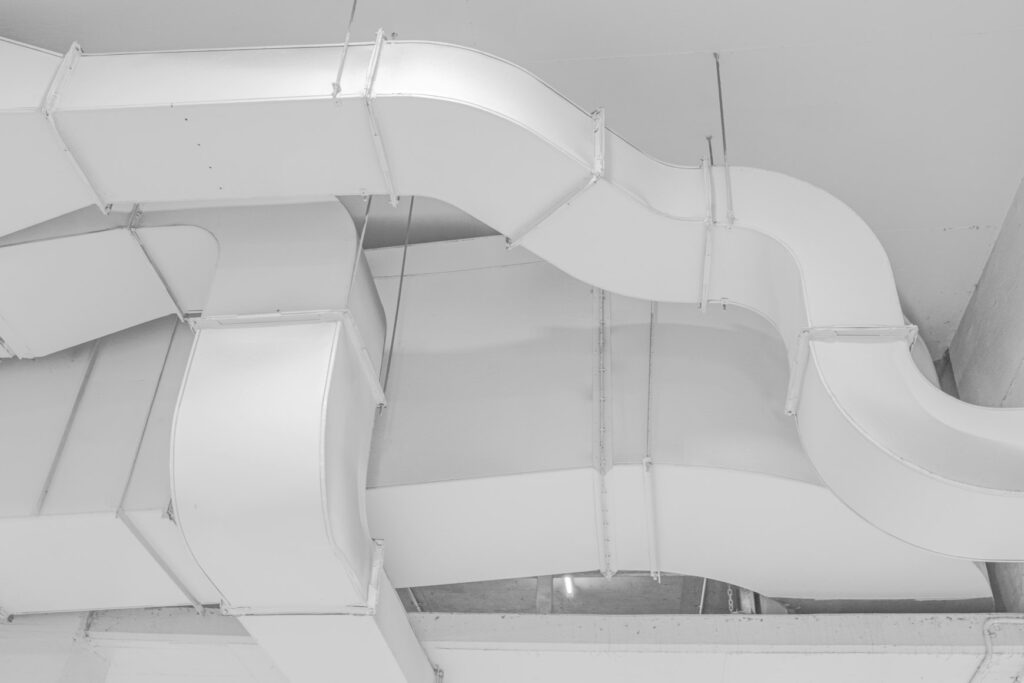
The University of Florida’s IFAS Extension explains that a ducted system distributes conditioned air through supply ducts and brings air back through returns. Leaks, restrictions, blocked registers, and inadequate return paths can affect that circulation. A closed door can matter when the room lacks an adequate route back to the return.
That is why a replacement-equipment conversation should include the distribution system. Ask whether the visit covers accessible ducts, supply and return airflow, and the rooms you have identified. An equipment model number does not explain why a particular bedroom is uncomfortable.
| Your observation | A useful question for the assessment |
|---|---|
| The problem changes when the door closes | How will you assess the room’s return-air path? |
| The problem follows the afternoon sun | Will you consider the room’s windows, shade, and heat gain? |
| One part of the house gets little airflow | What measurements will distinguish a distribution problem from an equipment problem? |
| The problem began after building work | Can we review what changed in the room and the system? |
Ask for findings before the proposed fix
Request a plain-language account of what was observed, what was measured, and what remains uncertain. “Improve comfort” is an objective. It is not a description of the work. If duct repairs, balancing, insulation, controls, or equipment replacement are proposed, ask how each item connects to the problem you reported.
A useful proposal also separates diagnosis from assumptions. A contractor might identify a disconnected section of duct during inspection but need additional assessment to understand another room’s problem. Recording those distinctions helps you decide what to authorize and what still needs investigation.
Agree on how the result will be checked
Before work begins, discuss the follow-up. Which rooms will be reassessed? What conditions are needed for a meaningful check? Who will return if the original concern continues? Keep the initial diary and the written findings together so the follow-up addresses the same issue.
- A list of affected rooms and the times they feel uncomfortable.
- Any recent changes to windows, insulation, room use, or building layout.
- The existing system information and available service records.
- A request for documented findings and an explanation of the proposed work.
For a planned replacement, continue with the questions to ask before choosing a heat pump. For the first service conversation, use our HVAC hiring guide.
Sources & further reading
University of Florida IFAS Extension: Energy Efficient Homes, The Duct System. The room diary and proposal questions above are Home Review Board’s editorial planning framework.
Home Review Board publishes practical guides and source-grounded news. Project requirements depend on the property and location. Read our research approach.