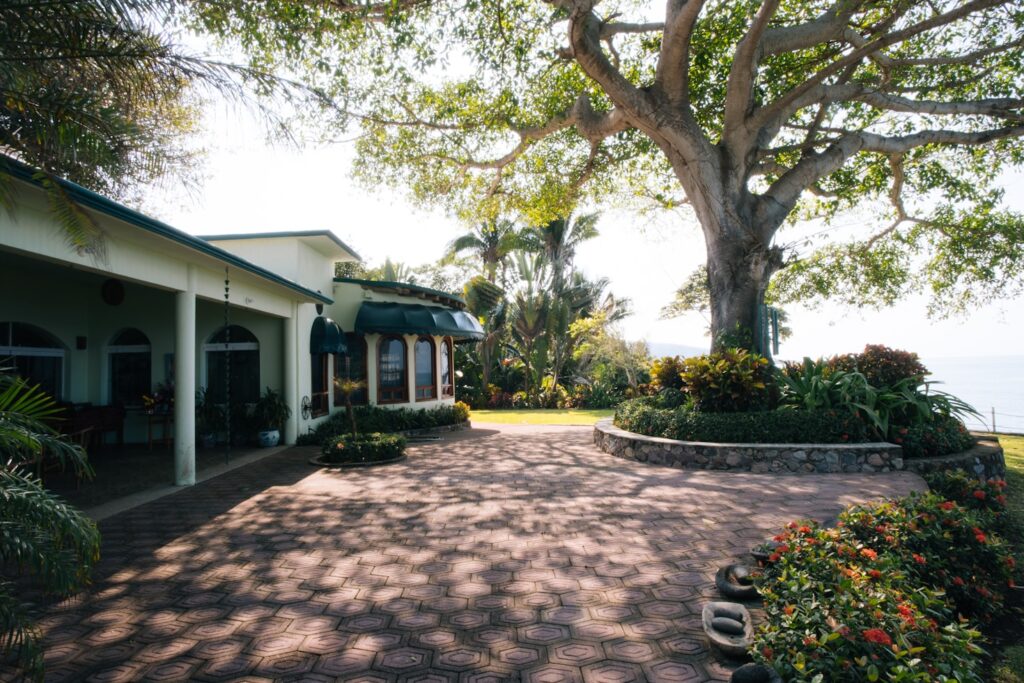
A mature tree deserves a more considered conversation than “cut it back.” Before asking for a price, clarify what you want to understand about the tree and who is qualified to help.
Begin with the reason for the visit
Describe the issue from the ground. Perhaps branches interfere with how you use the garden, the canopy has changed, or building work is planned nearby. Bring any photographs that show the change over time. Avoid climbing, cutting, or entering an unsafe area to collect more information.
Tell the professional what you hope to retain as well as what concerns you. Shade at the terrace, a view from a room, privacy, and the character of the garden may all matter to the decision. A clear brief makes it easier to discuss options and their tradeoffs.
Identify the person doing the assessment
University of Minnesota Extension advises homeowners to ask about credentials, relevant experience, insurance, and references when selecting tree care help. Its guidance notes that not every tree company employs a professional arborist. Ask who will inspect your tree, what credentials that individual holds, and whether they will also supervise the work.
Verify a claimed credential with its issuing organization and check any local requirements relevant to the work. Ask the company to provide current insurance documentation through an appropriate channel. Treat these checks as part of understanding the proposal, alongside the explanation of what is recommended and why.
Ask for the reasoning before the method
Have the assessor identify the tree under discussion and explain the observations behind the recommendation. Ask which concerns are immediate, which warrant monitoring, and what remains uncertain. A useful explanation should distinguish an observed condition from a prediction about what may happen.
Request a discussion of reasonable options, including what retaining or monitoring the tree would involve when appropriate. If removal is proposed, ask why alternatives would not meet the objective. Where the issue is complex, discuss whether a separate consulting assessment would help you decide.
| Question | What a clear answer gives you |
|---|---|
| Which tree and concern? | A shared reference, supported by a location or photograph |
| Why this work? | The observations and objective behind the recommendation |
| What alternatives exist? | Options, limitations, and any need for further assessment |
| What happens afterward? | A named follow-up, monitoring plan, or completion record |
Describe the property arrangements
Ask how the crew will access the tree and where equipment or removed material will go. Discuss gates, paving, planting, parked vehicles, pets, and access to the home. Have the contractor identify any permissions or coordination needed with a neighbor, local authority, or utility before work can proceed.
Keep the scope specific to the tree and agreed objective. Avoid signing a vague description that could be interpreted as substantially different work. Ask how a revised recommendation discovered on the day will be communicated and approved.
Agree on the finish and the follow-up
Extension’s guidance recommends a written contract that addresses cleanup and disposal. Clarify whether branches, logs, chips, and any stump work are included, retained for you, or excluded. These decisions affect how the garden will look and function when the crew leaves.
Ask what documentation you will receive and whether the tree needs another review. Keep the assessment, agreed scope, photographs, and follow-up instructions together. If future building or landscaping work is planned, bring those records into that discussion rather than treating tree care as an isolated job.
You should understand the reason for the proposed work, the person responsible for it, and the condition in which the property will be left. The quote should reflect that shared understanding.
For the surrounding landscape, read planning a waterwise garden. For hiring checks, see warning signs in the hiring process.
Sources & further reading
University of Minnesota Extension: How to Hire a Tree Care Professional. Credential and contract guidance is drawn from Extension; Minnesota-specific licensing details are not presented as nationwide requirements. The briefing framework is original Home Review Board guidance.
Home Review Board publishes practical guides and source-grounded news. Project requirements depend on the property and location. Read our research approach.