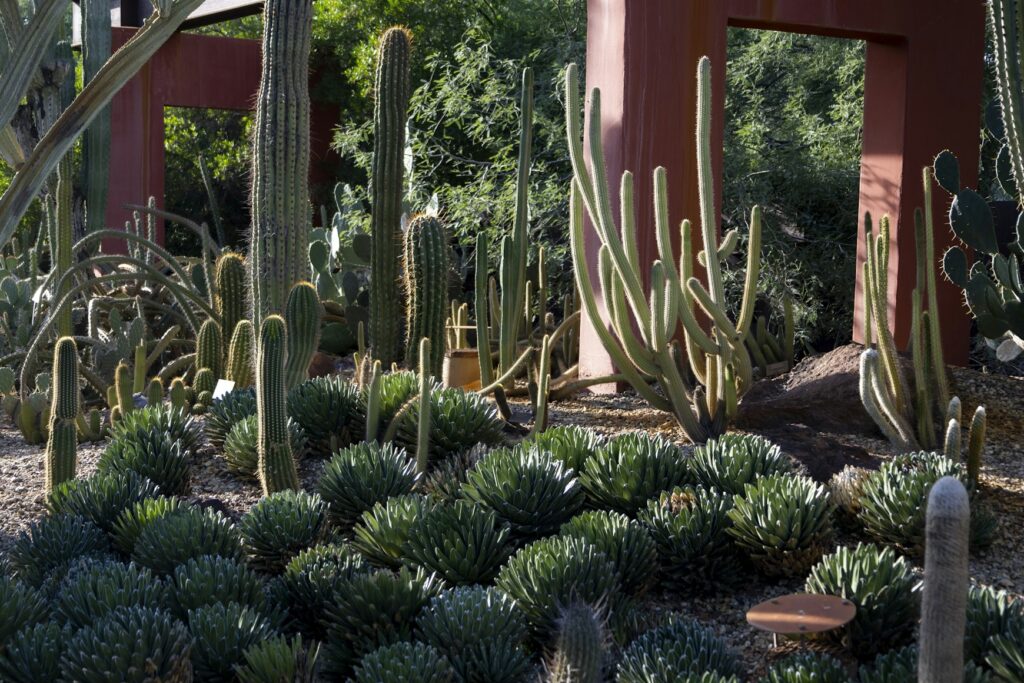
A waterwise garden can be generous in texture, shade, and seasonal interest. The design starts with how the site works and how you want to live outside, before it becomes a list of plants.
Map the garden you already have
Note the sunny and shaded areas, slopes, places where water collects, and the parts of the garden you actually use. Photograph the site at different times of day. Mark the trees and features you want to retain, along with access routes and views that matter from inside the house.
EPA WaterSense emphasizes matching plants to local conditions, considering soil and microclimates, and grouping plants with similar watering needs. That makes a site-specific planting plan more useful than copying a garden photograph from a different climate.
Give every area a job
Decide where you need room to sit, play, walk, grow food, or simply look out at something green. If you are considering reducing lawn, identify which lawn areas serve a purpose and what should take their place. The replacement should solve a real design need, not merely fill the outline of the removed turf.
| Part of the brief | What to tell the designer |
|---|---|
| Daily use | Where people gather, move, play, and need shade |
| Existing conditions | Sun, slopes, wet spots, soil concerns, and plants to retain |
| Appearance | Preferred textures, seasonal changes, and views from the house |
| Maintenance | Who will care for the garden and which tasks are realistic |
| Watering | Existing irrigation, known problems, and who will manage settings |
Share those priorities before requesting a plant palette. Ask the designer to explain how each proposed area serves the brief and what it will look like at installation and as plants mature.
Plan for establishment as well as maturity
WaterSense notes that even plants suited to a lower-water landscape need appropriate watering while establishing. Ask for separate instructions for the first stage and the mature garden, including who will adjust the irrigation as conditions change.
Request a plant schedule with names, quantities, and proposed sizes. Discuss spacing, eventual form, and replacement expectations. If a plant becomes unavailable, agree that substitutions should be approved for the same role and site conditions rather than selected solely because they are in stock.
Connect planting, irrigation, and maintenance
Ask who coordinates the planting plan with the watering system. A useful handover explains the zones, controls, routine checks, and whom to contact about a problem. Keep the final plan and care instructions together so a gardener or future homeowner can understand the design.
Maintenance should be part of the aesthetic discussion. Tell the designer whether you prefer a loose, seasonal appearance or a more controlled form. Ask what work is needed to maintain that appearance and which tasks require a trained professional. “Low maintenance” needs a shared definition.
- A final planting plan and labeled plant schedule.
- Establishment and ongoing care instructions.
- An explanation of irrigation zones and controls.
- The process for reporting failed plants or irrigation problems.
Make water movement part of the design
Before approving new paving, beds, or grading, ask how rainwater will move through the site and whether a drainage professional should be involved. Planting and surface changes belong in the same site conversation.
Continue with our guide to planning around rainwater. For comparing landscape proposals, the same discipline applies as in our estimate-comparison guide: give each company the same brief.
Sources & further reading
EPA WaterSense: Landscaping Tips. The design brief and handover checklist are Home Review Board’s editorial planning framework.
Home Review Board publishes practical guides and source-grounded news. Project requirements depend on the property and location. Read our research approach.