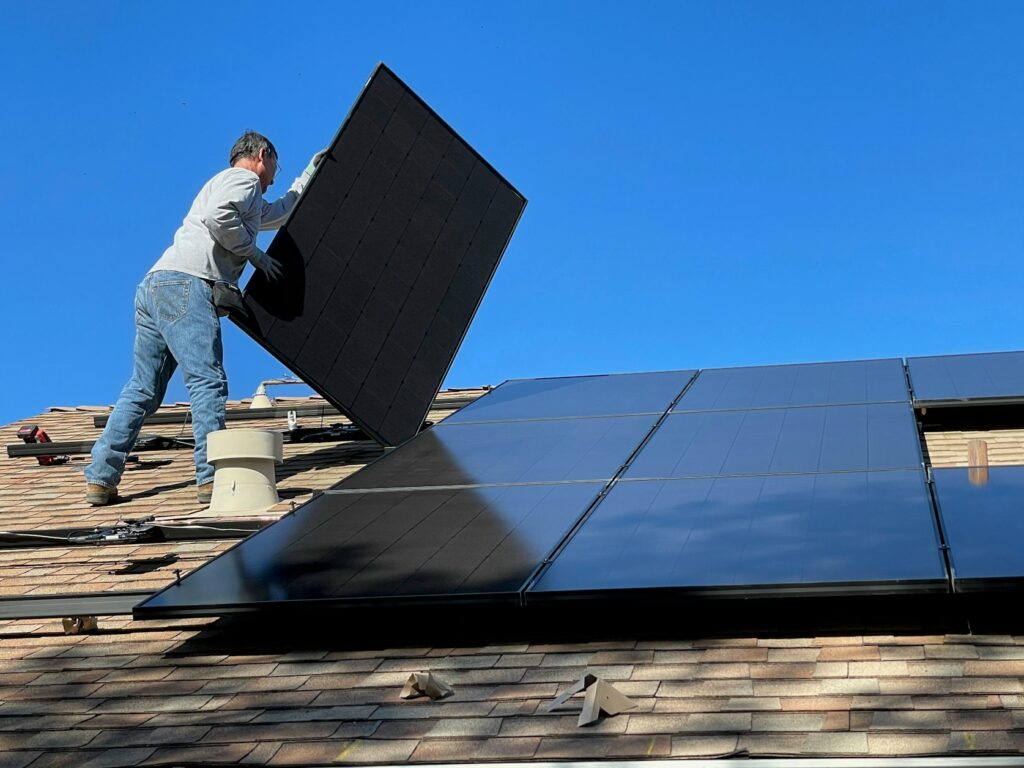
A solar proposal starts on the roof, but the decision reaches into the electrical system, the utility relationship, and the way you expect to use the house. Before comparing panel counts, make sure the proposals describe the same home and the same expectations.
Give the roof its own conversation
Collect what you know about the roof: installation records, recent repairs, warranties, and any unresolved leak concerns. Ask the solar provider how roof condition will be assessed and who is responsible for that assessment. If roofing work is already under consideration, coordinate the two discussions before choosing an installation date.
A useful proposal should explain how the roof attachment and weatherproofing work will be handled, who stands behind that work, and what happens if panels later need to be removed for a roof repair. Request those answers in writing. The goal is to identify responsibilities before two contractors are each pointing to the other.
Understand what the production estimate assumes
The Department of Energy’s Homeowner’s Guide to Solar identifies factors such as roof direction, sunlight, electricity use, system size, and ownership arrangement as relevant to the result. Ask which of those assumptions appear in the proposal for your address.
Share a representative history of electricity use, while considering privacy before sending account documents. Explain expected changes such as an electric vehicle, an addition, or new heating equipment. Ask the provider to distinguish the current-use estimate from any scenario that includes those future changes.
Keep three questions separate
How much electricity might the system generate? How will the utility account for electricity you use or export? What will you owe under the purchase, loan, lease, or power-purchase agreement? They are related questions with different evidence and terms.
Compare responsibilities, not just panel totals
| Item | What the proposal should make clear |
|---|---|
| Roof condition | Assessment, prerequisites, and any roofing work outside the solar contract. |
| System layout | Equipment locations, roof areas used, and access considerations. |
| Electrical scope | What will change and which parts require a separate assessment or trade. |
| Approvals | Who manages permits, inspections, utility applications, and permission to operate. |
| Support | Monitoring, troubleshooting, roof-related responsibility, and equipment warranties. |
When one company includes a task and another excludes it, their totals are not directly comparable. Ask for missing items to be priced or identified as unresolved. A brief written scope can reveal more than another page of marketing graphics.
Ask specifically about outages
Do not infer backup capability from a picture of panels or a mention of storage. Ask the installer what the proposed system will actually power during an outage, which equipment enables that operation, and what limits apply. If backup power is a priority, request a written description of the supported loads and operating conditions.
Keep the desired outcome concrete. Maintaining a refrigerator, supporting a home office, and running the whole house are different briefs. The installer should explain the relationship between the system configuration and the outcome you want.
Read the ongoing obligations
Identify who owns the equipment, who maintains it, who receives monitoring alerts, and what happens when the property is sold. Have the provider explain any assumptions about utility rates, export compensation, incentives, or financing. Confirm current program and utility terms with the responsible organizations; do not treat a generic sales example as your guaranteed outcome.
Keep copies of the final design, warranties, permits, inspection records, and utility approval documents. Solar is easier to manage when the installation leaves behind a usable record. Start the roof discussion with our roof repair and replacement questions.
Sources & further reading
U.S. Department of Energy: Homeowner’s Guide to Solar. The comparison framework is Home Review Board editorial guidance. Financial, utility, and installation terms require confirmation for the specific project.
Home Review Board publishes practical, source-grounded guides. Project requirements depend on the property and location. Read our research approach.