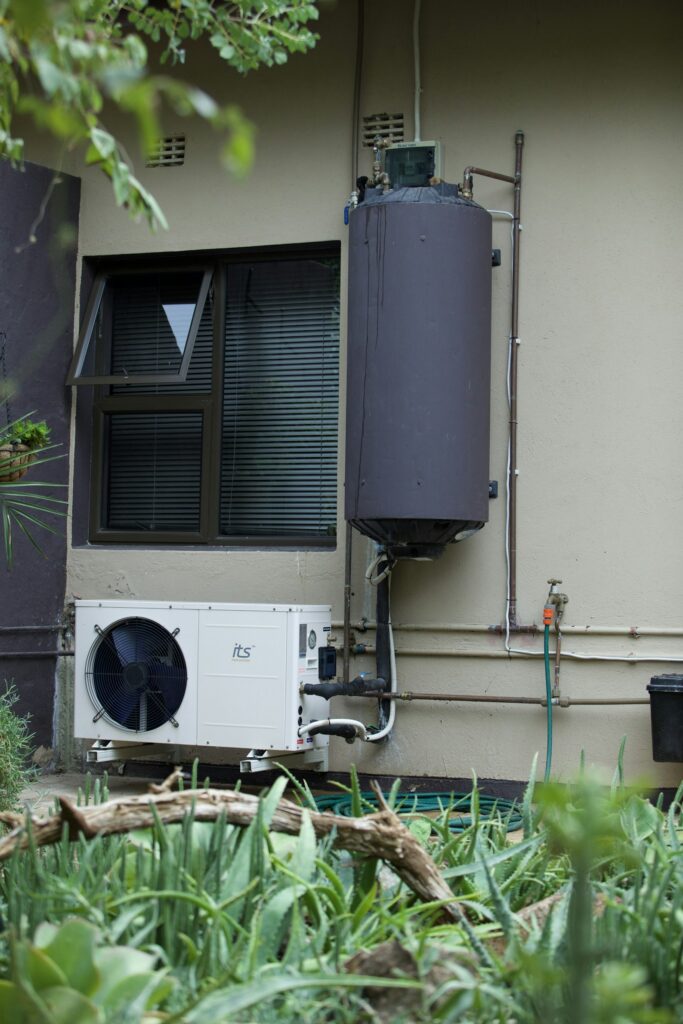
Replacing a water heater can feel like a simple product decision until the installer asks about space, power, venting, household routines, and the route the new unit must take into the house. A good replacement plan brings those details together before the old system forces a rushed choice.
Start with when you need hot water
Describe your busiest hot-water period. Note the showers, laundry, dishwashing, or other uses that overlap, along with any recurring complaint. Running short after consecutive showers is a different problem from waiting a long time for hot water at a distant tap.
Do not begin by copying the number printed on the existing tank into a new order. Treat the current unit as evidence of what you have, not proof of what you need. Household size, routines, fixtures, and the building may have changed since it was installed.
Distinguish the heater from the delivery system
EPA’s guidance on hot-water distribution explains that the arrangement of the plumbing affects the wait for hot water and the water wasted while waiting. A replacement heater and a change to the delivery system address different parts of the problem.
Ask an installer to explain which complaint the proposed work will improve. If a distant bathroom has a long wait, clarify whether the proposal changes anything beyond the heater itself. The answer may be that the issue needs a separate plumbing discussion. That is more useful than an assumption that new equipment will solve every hot-water problem.
Bring two lists
List what is failing now and what you would like to improve. A leak, an unreliable supply, a long wait at one fixture, and a desire to change fuel type should not disappear into one vague instruction to “upgrade.”
Compare the installed scope
| Part of the proposal | What to clarify |
|---|---|
| Equipment selection | The proposed technology, capacity, and the demand assumptions behind it. |
| Location and access | Space for the unit, service access, and how removal and delivery will work. |
| Supporting work | Any electrical, fuel, ventilation, drainage, or plumbing changes required by the selected unit. |
| Project responsibility | Who coordinates permits, inspections, other trades, and disposal. |
| Aftercare | Maintenance instructions, warranty terms, and the service contact. |
This is a scope checklist, not an installation specification. Ask a qualified installer to assess the proposed unit against its manufacturer’s requirements and the applicable local rules. A low equipment price says little about a proposal that leaves supporting work undefined.
Ask for a reasoned comparison
When two technologies are realistic options, request a side-by-side explanation of the installation changes and the operating assumptions. Separate purchase and installation costs from projected running costs. A comparison should name the energy prices and usage assumptions it uses, rather than presenting one universal answer for every household.
The Department of Energy’s water-heater selection guide describes selection as a process involving hot-water demand, climate, utility rates, and system characteristics. Its technical framework is useful context; current equipment specifications and an assessment of your home are still necessary.
Make the handover part of the job
Before the installer leaves, ask where the operating information is kept and what maintenance the specific model requires. Request the model and serial details, applicable warranty documents, and a record of completed work. Ask who handles a problem discovered after installation and whether any follow-up visit is included.
If the replacement is urgent, keep the decision brief short: current failure, household demand, available installation options, complete scope, and a reachable service contact. You can move promptly while still asking the installer to explain the proposal. For broader plumbing coverage, explore our plumbing topic.
Sources & further reading
The questions and comparison table are editorial planning tools, not instructions for installing or servicing a water heater.
Home Review Board publishes practical, source-grounded guides. Project requirements depend on the property and location. Read our research approach.